Radon Mitigation Systems
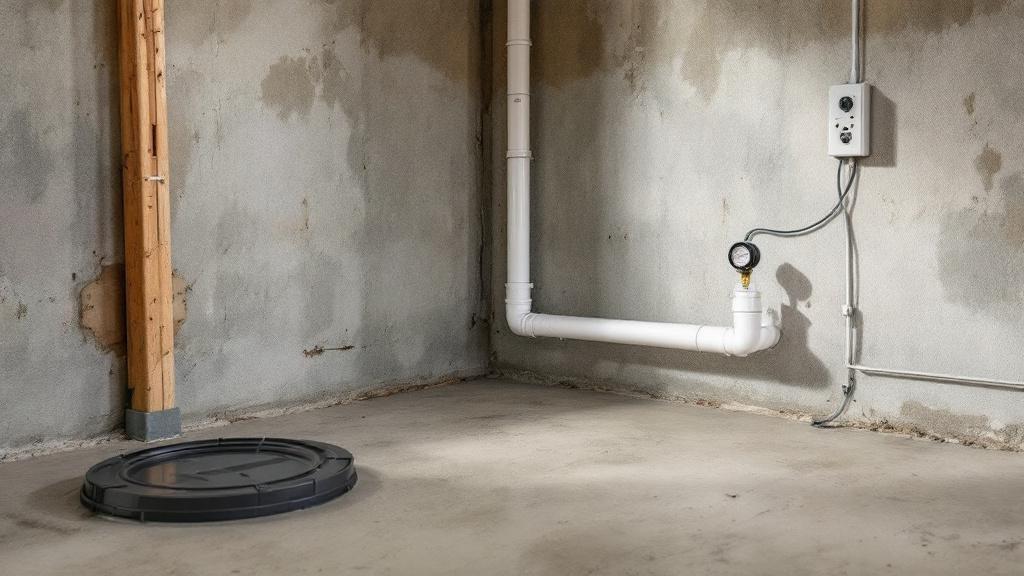
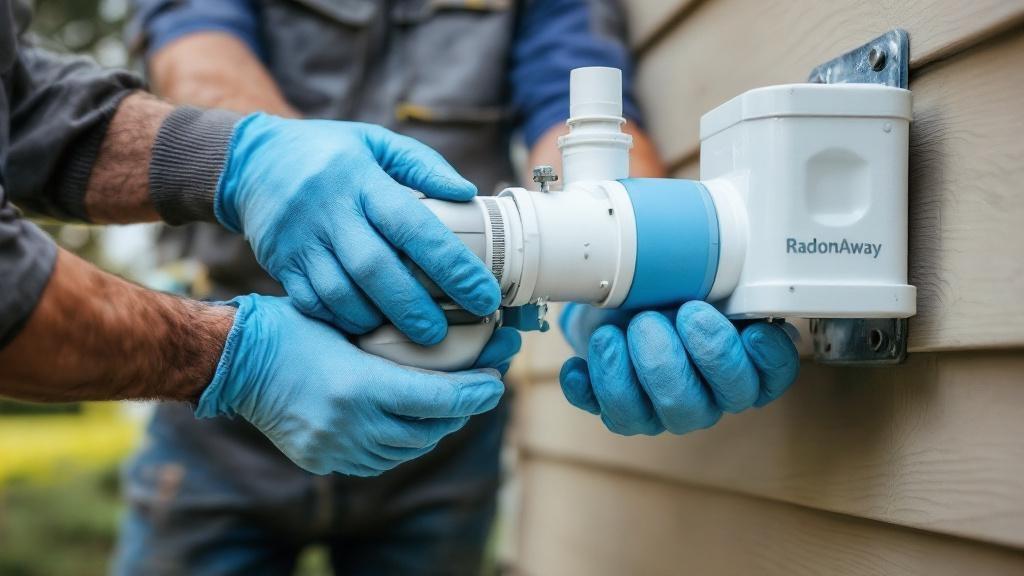
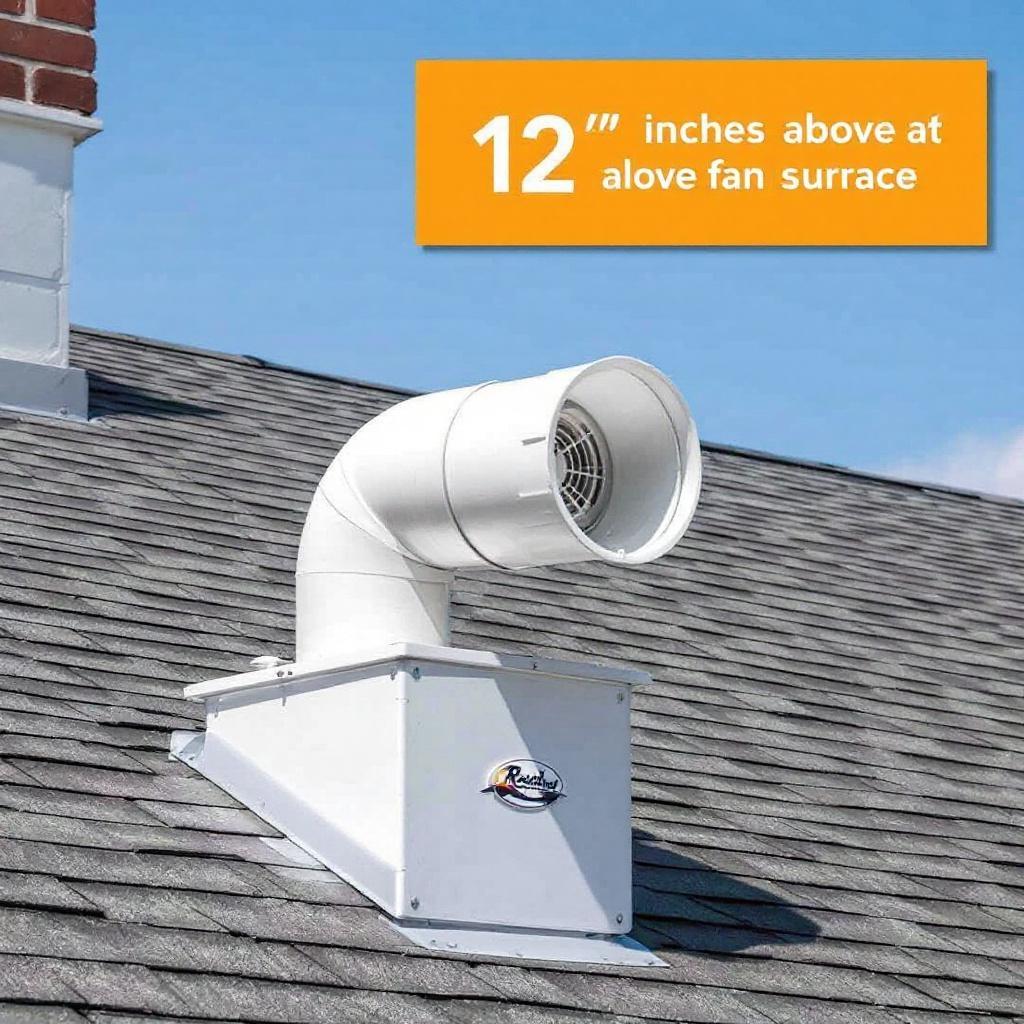
Active sub-slab and sub-membrane systems for Bluegrass basements, slabs, and crawl spaces, installed by contractors certified by the Kentucky Board of Radon Safety.
Typical$1,200-$2,500
The inner Bluegrass sits on uranium-bearing limestone, and more than half of tested Fayette County homes have run elevated. Every system here is installed by an NRPP or NRSB credentialed contractor certified by the Kentucky Board of Radon Safety, with a verification retest to prove the number came down.
Step 1
Call or text with your test result, or with no result yet. We explain what the number means for your house and whether a confirming test makes sense first.
Step 2
The foundation, sump, crawl, and block walls get looked at, sub-slab airflow gets checked, and a written fixed price follows with the fan, route, and sealing scope named.
Step 3
Most basement and slab systems finish in a single day, built to ANSI/AARST SGM-SF-2023 by a contractor certified by the Kentucky Board of Radon Safety.
Step 4
A certified post-mitigation test of at least 48 hours proves the number came down. The result, warranty, and system description go into one closeout packet.
Share of tested Fayette County homes with elevated radon, per the Kentucky Cabinet for Health and Family Services (2017 release).
Source: Kentucky Cabinet for Health and Family Services, 2017
Kentucky laboratory radon tests above 4.0 pCi/L, out of 28,793 tests from 2008 to 2017.
AARST state report card, from CDC tracking data (2024 summary)
Kentucky radon tests at or above the EPA action level of 4.0 pCi/L, statewide.
Fayette, Woodford, Jessamine, Scott, Bourbon, Clark, and Franklin counties are EPA Radon Zone 1; Madison County is Zone 2.
More than 55 percent of Fayette County homes tested had elevated radon.
Historical Kentucky Radon Program data from 1998 to 2008 put inner Bluegrass county averages above 4.0 pCi/L.
Black shales and phosphatic limestones are the Kentucky rocks associated with high radon.
Uranium-bearing phosphatic Ordovician limestones and karst features give the inner Bluegrass high radon potential.
Radon measurement, mitigation, and laboratory analysis for hire in Kentucky require certification.
The Board certifies radon professionals and enforces KRS 309.430 to 309.454.
Every job comes with a written quote and no-pressure consultation. Workmanship warranty terms are set by your lead technician and confirmed before work begins.
Active sub-slab and sub-membrane systems for Bluegrass basements, slabs, and crawl spaces, installed by contractors certified by the Kentucky Board of Radon Safety.
Short-term and long-term measurement by certified professionals, for purchases, post-mitigation checks, and plain answers.
Sealed-membrane sub-membrane depressurization for the vented crawls under Bluegrass ranches and farmhouses.
Certified transaction testing and deadline-driven mitigation for Kentucky purchases.
Multi-zone measurement and mitigation for schools, daycares, multifamily, and commercial buildings.
Fan swaps, gauge and alarm fixes, membrane and seal repairs, and retests for systems already in the ground.
The bluegrass that made this region famous grows on phosphatic Ordovician limestone, and that same rock carries the uranium behind its radon. The Kentucky Geological Survey names phosphatic limestones and black shales as the state's high-radon rocks, and the EPA maps Fayette, Scott, Woodford, Jessamine, Clark, Bourbon, and Franklin counties as Zone 1.
The measured record is stronger than the map. The state health cabinet's 2017 release reported more than 55 percent of tested Fayette County homes at elevated levels. Historical Kentucky Radon Program data from 1998 to 2008, mapped by Western Kentucky University, put the inner Bluegrass counties above a 4.0 pCi/L average. Statewide, an AARST analysis of CDC data counted 44 percent of 28,793 lab tests from 2008 to 2017 over the action level.
Karst explains why houses side by side can still read far apart: soil gas follows solution channels in the rock, and a footprint either taps one or does not. Our county table lays out each county's zone and what the data says.
Kentucky requires certification from anyone who tests for radon, mitigates it, or analyzes samples for hire. The requirement sits in KRS 309.436, part of the radon statute at KRS 309.430 to 309.454, and the Kentucky Board of Radon Safety issues certifications, keeps the registry, and handles complaints. Certification builds on the national NRPP or NRSB credentials.
The state Department for Public Health once ran a separate radon program. It ended on June 30, 2024, so older pages pointing to it for kits or contractor lists are out of date. The certification law did not end with it.
All contractors you work with here are NRPP or NRSB credentialed and certified by the Board. Our certification FAQ shows how to check anyone yourself.
Most Lexington-area buyers test during the inspection period, and with half or more of tested Fayette homes coming back elevated, plenty of those tests land at 4.0 pCi/L or higher. That is a routine finding with a known fix and a known price, not a reason to lose a house.
A transaction test needs to hold up, which means a certified measurement professional, at least 48 hours of closed-house conditions, tamper controls, and a full report. When it comes back high, the efficient path is a written fixed quote right away, an install mid-contract, and a verification retest that finishes before closing.
Who pays is negotiated, not set by rule. See radon in a sale for how the timeline usually runs.
The EPA attributes about 21,000 US lung cancer deaths a year to radon, making it the leading cause among people who never smoked. Risk grows with concentration and years of exposure, and for smokers the two multiply.
That framing matters for a high result. Radon causes no symptoms and no sudden harm; it is a reason to fix the house this season, not to leave it tonight. The people with the most at stake are anyone who sleeps or spends long days on the lowest level, where readings run highest.
The EPA recommends fixing at 4.0 pCi/L or above and considering a fix from 2 to 4. Our results guide walks through each band.
Lexington and the inner Bluegrass and surrounding communities. Same-day estimates within 12+ neighborhoods.
Most Lexington-area homeowners hear back the same business day. Installs are performed by NRPP or NRSB credentialed contractors certified by the Kentucky Board of Radon Safety, built to ANSI/AARST SGM-SF-2023.
Browse all 43 questions for more depth.
Most Lexington-area basement and slab homes run $1,200 to $2,500 for an active sub-slab system. A crawl space that needs a sealed membrane runs $1,800 to $3,600, and a professional short-term test costs $150 to $300.
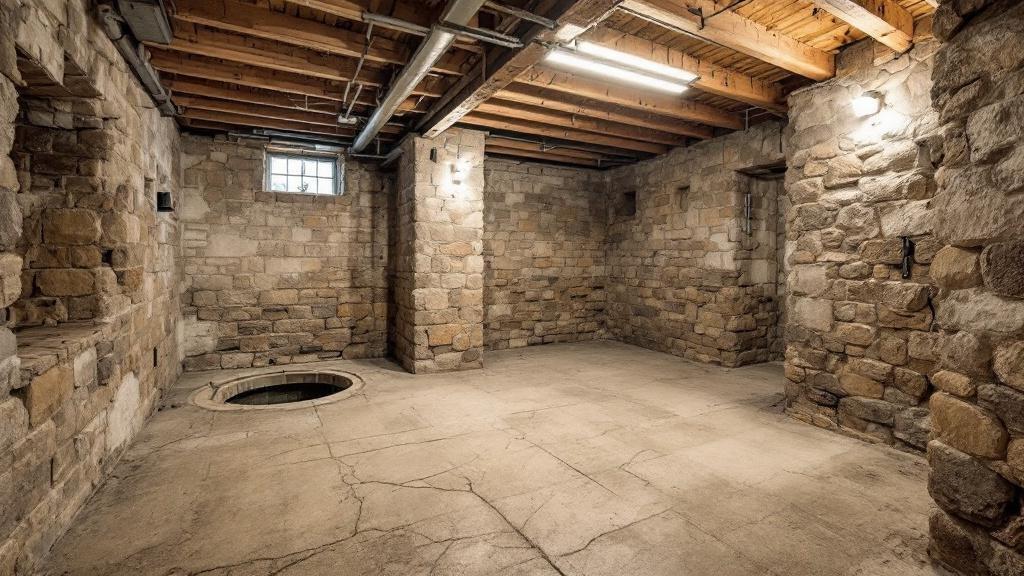
The house, not the town, decides where inside those bands a quote lands. A 2000s Georgetown or Hamburg slab with a clean route to the attic prices near the bottom. A 1970s block-wall basement off Tates Creek takes more sealing, and a Paris stone cellar can need a second suction point, which pushes toward the top. A split-foyer or ranch addition that pairs a slab with a crawl is really two small systems sharing a fan, so it prices like one. Every quote here is written and fixed after the house has been looked at, and it names the fan, the route, and the sealing scope so a second bid can be compared line for line. The pricing guide by foundation type breaks out each tier, and the calculator gives a starting range in under a minute.
Most single-suction systems in a basement or slab home finish in one working day. A crawl space membrane adds a second day, and the verification retest afterward runs at least 48 hours once the house has settled.
The visible work is the short part. Before it, the foundation gets looked at and the sub-slab airflow gets checked, because a suction point placed by guesswork is how a system ends up moving air without moving the number. After the install, the fan runs continuously and the verification test goes out, a minimum of 48 hours under closed-house conditions, performed by a certified measurement professional as Kentucky's law requires for any test done for hire. If a purchase contract is driving the schedule, the whole sequence compresses: scope visit early in the inspection window, install mid-week, retest finishing before the deadline. Say so on the first call and the calendar gets built backward from the date that matters. The real estate service page covers deadline work in detail.
Yes, unusually so. The state health cabinet reported in 2017 that more than 55 percent of tested Fayette County homes had elevated radon, and the EPA maps Fayette and six neighboring counties as Zone 1, its highest-potential tier.
Two independent data sets agree. The Cabinet for Health and Family Services' 2017 release put the share of elevated Fayette County results above 55 percent, and an AARST analysis of CDC data counted 44 percent of 28,793 Kentucky laboratory tests from 2008 to 2017 above the 4.0 pCi/L action level, among the worst measured records in the country. The cause is under the grass: the Lexington Limestone is phosphatic and carries uranium, and the Kentucky Geological Survey names phosphatic limestone as one of the state's two high-radon rock families. Karst drainage, the sinkholes and solution channels this region is famous for, moves the resulting soil gas efficiently toward foundations. None of that condemns any single house; it just means the odds favor testing. See why the Bluegrass runs high and the county data table.
Through the soil gas under the foundation. A heated house sits at slightly lower pressure than the ground, so gas gets drawn in through floor-wall joints, cracks, plumbing openings, block-wall cores, sump pits, and bare crawl-space dirt.
The physics is ordinary; the Bluegrass versions of it are specific. Concrete-block foundations, the standard under this region's 1960s to 1980s ranches, are hollow, and soil gas climbs their cores and exits through the top course and mortar joints, so the wall itself is an entry path. Stone foundations under pre-war houses in Paris, Midway, and downtown Lexington leak across their whole face. Newer slabs in Georgetown and Richmond concentrate entry at plumbing penetrations and the slab's control joints. Beneath all of it, jointed karst limestone gives gas lateral highways that clay-soil regions do not have, which is why neighboring houses can read far apart. Sealing those openings supports a mitigation system but cannot replace one: with the pressure difference still pointing inward, gas finds the next opening. The fix is reversing the pressure, covered under radon mitigation systems.
A radioactive gas produced as uranium in rock and soil decays. It has no color, smell, or taste, collects indoors on the lowest levels, and is the leading cause of lung cancer among people who have never smoked.
The chain starts in the rock. Uranium decays to radium, radium decays to radon, and radon, being a gas, escapes the rock into soil pores and moves with the soil air. Breathed outdoors it disperses harmlessly; trapped in a closed house it accumulates, and its short-lived decay products lodge in lung tissue and do the damage. The EPA attributes about 21,000 US lung cancer deaths a year to radon exposure. In the inner Bluegrass the uranium source is the phosphatic Ordovician limestone the region is built on, which the Kentucky Geological Survey flags alongside black shale as Kentucky's high-radon rock. Average outdoor air runs about 0.4 pCi/L and the average US home about 1.3; the EPA's action level is 4.0. The only way to learn a house's number is to measure it, covered under radon testing.
Picocuries per liter, the US unit for radon concentration: a count of radioactive decays happening in each liter of air. The EPA action level is 4.0 pCi/L, equal to 150 becquerels per cubic meter in the international unit.
A picocurie is one trillionth of a curie, so the number on your report is a measure of how radioactive the air is, not a percentage or a parts-per-million figure. For orientation: outdoor air averages roughly 0.4 pCi/L, the average American home about 1.3, and the EPA recommends action at 4.0 with a consider-fixing band from 2 to 4 because risk does not switch off below the line. Kentucky reports read in pCi/L; European or WHO guidance quoted in Bq/m3 converts by dividing by 37. When a transaction test uses two devices side by side, the deciding number is their average. One habit worth keeping: log every result with its date and the room it was measured in, because a 3.1 in July and a 3.1 in January are different findings. The results FAQ covers what each band calls for.
No. Radon cannot be seen, smelled, or tasted, causes no short-term symptoms, and does not trigger smoke or CO alarms. A measurement is the only way to know, which is why the EPA says every home should test.
This is the trait that lets radon hide in plain sight. A gas leak announces itself; a failing furnace makes noise; radon does neither, and its harm arrives as lung cancer risk accumulated over years of exposure, not as anything you feel this winter. There is no symptom checklist, no warning odor added the way utilities odorize natural gas, and no device in a standard house that watches for it unless you install one. The good news is that the answer is cheap: a charcoal kit from a hardware store costs little and screens a house fine when the instructions are followed, and a certified measurement, required in Kentucky whenever a test is performed for hire, runs $150 to $300. In a region where the state's 2017 release put more than 55 percent of tested Fayette County homes elevated, not knowing is the expensive option. Start with how to test your own house.
The lowest lived-in level is where radon concentrates, so a basement bedroom, playroom, or home office is exactly where testing matters most. The EPA advises measuring any lower level a household starts using regularly.
Risk is concentration times years, and a child growing up in a house banks more years than anyone else in it. A finished lower level in a Lexington split-foyer or a walkout in Nicholasville routinely reads higher than the main floor, sometimes by multiples, because it sits against the soil on two or three sides. The practical rule is simple: test the level before it becomes somebody's bedroom, and retest after any renovation down there, since cutting the slab for a bathroom rough-in or adding a sump changes the entry picture. If the result comes back at 4.0 pCi/L or above, mitigation is the fix, and it usually makes the finished space more pleasant anyway by drying the air the fan pulls from under the slab. The EPA's guidance on children and radiation risk is cautious, but nobody disputes the time-of-exposure math. See finishing a basement radon-first.
The inner Bluegrass sits on uranium-bearing limestone, and more than half of tested Fayette County homes have run elevated. Mon-Sat 8am-7pm.